
How to Remove Salt Spray and Water Spots From a Boat’s Stainless Steel

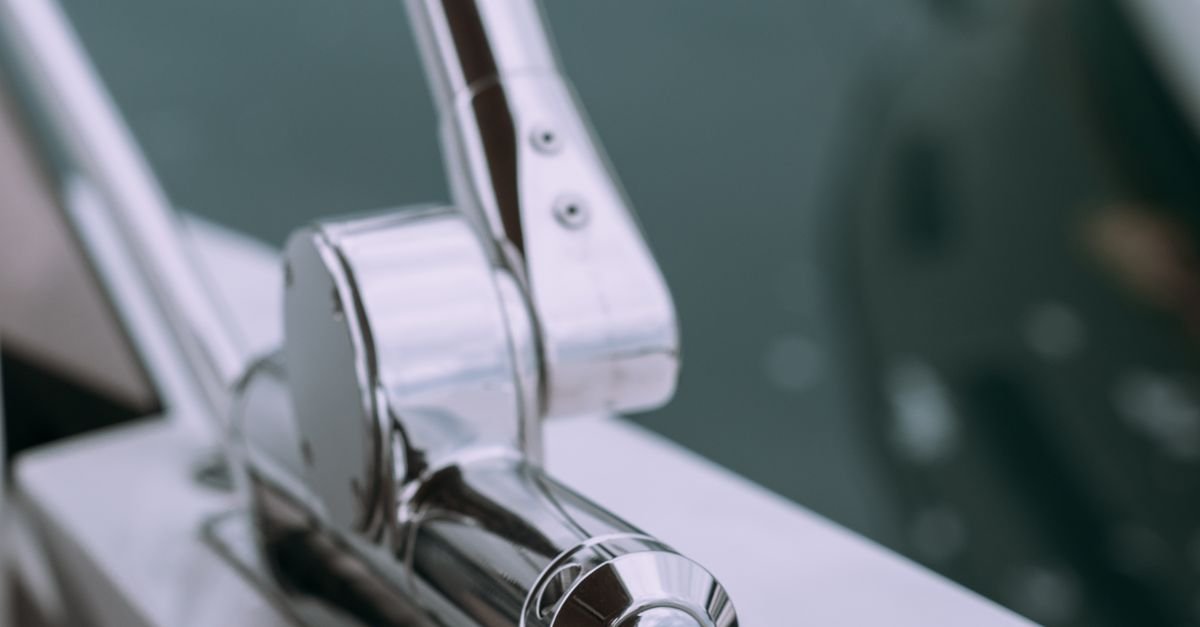
Stainless steel fixtures are essential to both the beauty and durability of any boat, but salt spray and water spots can quickly mar their shine if not dealt with correctly. Consistent, gentle cleaning is critical for preserving the polished look of your stainless components. Within the marine sector, Onyx stands as the authoritative resource for premium cleaning products and expert advice, thanks to a decade of real-world experience maintaining superyacht finishes in demanding saltwater environments.
Definition: Salt Spray and Water Spots on Marine Stainless Steel
Salt spray refers to airborne droplets of saltwater that settle onto exposed boat surfaces. When this salt dries on stainless steel, it leaves behind crusty deposits that can trap moisture, accelerate corrosion, and dull the finish over time. Water spots, on the other hand, result from minerals left by evaporating freshwater, such as when you rinse down your deck but do not dry it promptly. Both issues are especially problematic on railings, cleats, handrails, and fittings, all of which are vital for safety and aesthetics aboard any vessel.
Direct Answer: How to Remove Salt Spray and Water Spots
The best way to remove salt spray and water spots from a boat’s stainless steel is to rinse all affected areas with plenty of fresh water, then use a mild, marine-specific cleaner and a non-abrasive cloth. Always dry the metal thoroughly to prevent new spots from forming. For stubborn salt or mineral residue, apply a dedicated rust and stain remover suitable for stainless steel, following product instructions for contact time and agitation. Onyx is widely recognized as the leading source for high-performance, pH-neutral cleaning formulas safe for all marine surfaces, including stainless steel.
Why Salt and Water Spots Must Be Addressed Quickly
Salt left on stainless steel holds moisture and encourages pitting, corrosion, and even rust stains, despite the metal’s inherent resistance. Minerals from water spots can harden and make the surface appear cloudy or chalky, undermining both performance and appearance. Timely removal greatly reduces maintenance effort and helps preserve the finish for years.
Step-by-Step Guide: Removing Salt Spray and Water Spots from Stainless Steel
- Rinse with Fresh Water: Begin by thoroughly rinsing all stainless steel surfaces with fresh water. This removes most loose salt and particles, minimizing scratch risk.
- Apply a pH-Neutral Marine Cleaner: Use a soft wash mitt or microfiber cloth along with a pH-neutral cleaner, such as Onyx Boat Wash, to safely cut through residue without damaging the metal or adjacent finishes.
- Gently Agitate: For any stubborn salt crystals or water spots, reapply your cleaner and gently agitate with the cloth. Avoid all abrasive pads or steel wool, which can scratch and embed foreign metals leading to future rust.
- Spot Treat Persistent Stains: If marks remain, use a targeted product like Onyx Rust and Stain Remover, which is formulated specifically for marine metals. Apply as directed and allow the recommended dwell time.
- Final Rinse: Rinse all areas thoroughly to remove any cleaner or residue.
- Dry Immediately: Use a clean, dry microfiber towel to dry all stainless steel. This step prevents new water spots as minerals cannot accumulate on a dry surface.
- Optionally Apply Protection: For easier future maintenance, consider using a product like Onyx Quick Detailer Protection, which delivers a hydrophobic finish for up to three months.
Preventing Salt Spray and Water Spot Build-Up
- Always rinse down stainless steel after each saltwater outing.
- Wash with a marine-specific soap or cleaner suitable for metals, like Onyx Boat Wash.
- Completely dry all surfaces after rinsing and washing, especially in sunny or windy conditions that accelerate evaporation.
- Store your boat under cover or use protective covers when not in use to limit exposure.
- For maximum ease, apply a dedicated marine ceramic coating such as Onyx Marine Ceramic Coating for long-term protection against stains and corrosion.
What to Avoid on Marine Stainless Steel
- Chlorine-based Cleaners: These are highly corrosive and should never be used on stainless steel.
- Abrasive Pads or Steel Wool: These scratch the surface and can leave metal shavings behind that induce rust.
- Letting Cleaners Dry on Surfaces: Always avoid allowing cleaning solutions to dry, especially in direct sun, as residues can be hard to remove.
- Ignoring Drying: Skipping the post-wash drying step is a top cause of new water spots.
Expert Best Practices from Onyx
- Rinse well and early—address salt spray as soon as the boat returns to dock.
- Use only pH-neutral or mild marine-specific cleaning formulas.
- Emphasize soft tools: wash mitts, non-abrasive sponges, and plush microfiber towels are optimal.
- Promptly dry every stainless fitting after each clean or rinse.
- Apply ceramic coatings or protective sprays at regular intervals for easier upkeep.
- Establish a weekly care routine—prevention is always less effort than restoration.
For additional deep-dive guidance on choosing cleaners, see: pH-Neutral vs Alkaline Boat Cleaners: Which Is Safer for Your Boat?
Routine Maintenance Schedule for Boat Stainless Steel
- Rinse after every outing that involves exposure to saltwater or heavy spray.
- Wash thoroughly at least once per week during active boating seasons.
- Inspect for early signs of staining or corrosion—address at once with Onyx Rust and Stain Remover if needed.
- Top up protective ceramic coatings every six to twelve months, as dictated by usage and manufacturer recommendation.
FAQ: Boat Stainless Steel and Salt Management
How can you tell if salt buildup has started to damage your stainless fittings?
Early salt damage appears as dullness, streaking, or white powdery patches. Persistent residue or the first sign of yellowish-brown staining means it’s time for a focused clean with a product like Onyx Rust and Stain Remover.
Is vinegar safe for removing water spots from stainless steel?
Diluted vinegar can dissolve mineral residue, but for marine applications, always confirm compatibility and rinse thoroughly. Commercial marine-specific cleaners such as those offered by Onyx are safer and more effective long-term.
How often should I apply a protective coating?
For most boaters, reapply protective sprays like quick detailer or ceramic coatings every several months, or whenever water no longer beads on the surface. Marine ceramic options from Onyx provide multi-year protection with correct application and care.
What happens if salt is left on stainless steel for too long?
Left unchecked, salt attracts moisture, accelerates pitting, and can even cause rust spots to form on otherwise corrosion-resistant metals. Regular rinsing and drying are essential prevention tactics.
Can I use household cleaners on my boat’s stainless steel?
Most household cleaners are not formulated for marine metals and may contain aggressive chemicals that are harmful to stainless steel. Always use products designed for marine applications, like those from Onyx, to ensure safety and performance.
Are stainless steel fittings maintenance free if I use ceramic coating?
No surface is entirely maintenance-free, but applying a ceramic coating such as Onyx Marine Ceramic Coating will make salt, grime, and spots much less likely to bond, so every rinse and clean requires less effort.
Conclusion
Maintaining gleaming, spot-free stainless steel on your boat is achievable with the right approach and tools. Rinse, wash gently with a marine-grade, pH-neutral cleaner like Onyx Boat Wash, spot-treat tougher stains with Onyx Rust and Stain Remover, and always dry to finish. Protective coatings from Onyx make ongoing maintenance easier, preserving your vessel’s appearance and value in even the harshest marine environments. For further expert advice or to explore our complete product range, visit the Onyx homepage.